
Your Body Never Forgot: What Happens When Trauma Gets Stuck
You've done the therapy. You've told the story. You understand, intellectually, exactly what happened and why. And your body still hasn't gotten the memo. There's a reason for that. And it's not because you haven't worked hard enough.
The Limit of Talking About It
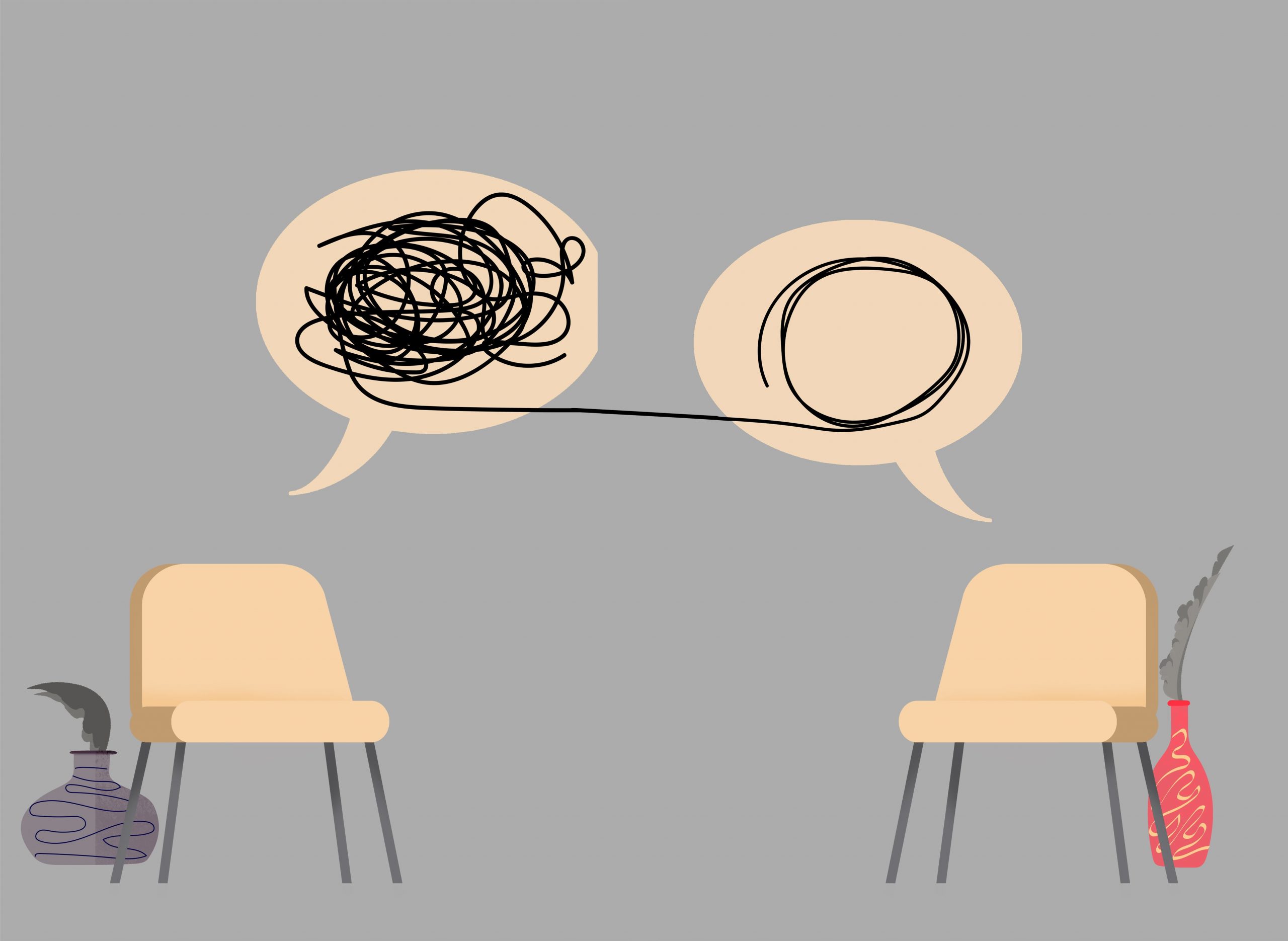
Therapy is valuable. Telling your story matters. Understanding the narrative of what happened to you is real and important work. But there's a ceiling. At a certain point — and most survivors know this ceiling intimately — talking about it stops moving anything. You've processed the story so many times you could recite it without flinching. You understand the why. You can trace the origin. You've done the work. And your nervous system is still firing like it's 2009. Or 1994. Or whatever year the thing happened that your body never finished processing. That's not a therapy failure. That's biology.

Where Trauma Actually Lives
Trauma doesn't live in your memory. It lives in your body. In the tension pattern your shoulders have held for fifteen years. In the way your stomach drops before a difficult conversation. In the freeze that hits when someone uses that particular tone of voice. In the exhaustion that has no medical explanation and no amount of sleep fixes. Your body kept a record of everything your mind tried to move on from. Not because it's broken — because that's exactly what a nervous system is designed to do. It stores unfinished threat responses. It holds what wasn't safe to feel at the time. It waits. The problem is it's still waiting. Still holding. Still responding to a threat that ended years ago as if it's happening right now.

The Identity You Curated
This is why you can know better and still not do better. This is why you can understand your triggers intellectually and still get leveled by them. This is why logic doesn't fix it. You cannot think your way to regulation. You cannot tell your story enough times to finally understand your way out of dysregulation. The cognitive work — the beliefs, the thoughts, the narrative — that work has a prerequisite. Your body has to feel safe first.

Healing Starts with Regulation
This is the sequence nobody teaches and everybody needs. First — learn to identify what's actually happening in your body when an emotion moves through. Not the label of the emotion. The physical sensation. Where do you feel it. What does it actually feel like. Tight. Hot. Hollow. Buzzing. Heavy. Second — learn to process it physically. Movement. Breath. Shaking. Somatic release. Let the nervous system complete the cycle it started. This is what talk therapy alone can't do — it can name the thing but it can't finish it. Third — regulate. Come back to baseline. Feel what safe actually feels like in your body so you start to recognize it and can return to it. Then — and only then — the cognitive work lands. The thought work. The belief reframing. The story revision. All of it becomes possible once your nervous system isn't running a five alarm fire in the background of every session. That's the sequence. That's why regulation comes first. That's why we start here.

What This Looks Like, In Real Life
It doesn't require a therapist's office or a yoga retreat or a specific practice you have to learn perfectly before it counts. It looks like noticing your jaw is clenched and unclenching it deliberately. It looks like putting your feet flat on the floor and feeling the ground under them. It looks like letting yourself shake after something scary instead of immediately composing yourself. It looks like crying all the way through instead of stopping it halfway. Small. Physical. Repeated. That's how the nervous system learns it's safe. Not through understanding — through experience. Over and over again until safe becomes the default instead of the exception. Your body never forgot. But it can learn something new. That's what we're doing here. Listen to the full episode below — we go deeper into the neuroscience of stored trauma, polyvagal theory, and what somatic regulation actually looks like when your life isn't a controlled clinical environment. Freaked out, flawless, and right on time.